How to Spot a Pool Leak Before You Call a Technician
Every pool owner knows the feeling: you top off the water, and a few days later it has dropped again. Before you pick up the phone to schedule a pool leak inspection, there are several checks you can run yourself. These steps help you confirm whether you are dealing with a leak or something simpler like evaporation. They also give a technician useful information if a professional visit turns out to be necessary.
Check the Obvious First: Evaporation and Splash-Out
Water loss is not always a leak. In warm or windy weather, evaporation can pull down the water level noticeably from one day to the next. Heavy use also matters: a family swim session splashes out gallons. So the first step is to rule out these normal causes.
Fill the pool to its normal level. Then leave the pump and filter running on their regular schedule for 24 hours, and do not swim during that period. Measure the water level at the same time each day. A drop of a quarter-inch or less in 24 hours is typically evaporation. More than that, and you have something worth investigating.
Repeat the test on a day with similar weather. If the loss is consistent, the culprit is likely evaporation. If the loss spikes on calmer, cooler days, a leak is more probable.
The Bucket Test: A Reliable Way to Measure Water Loss
The bucket test is the standard do-it-yourself method for separating evaporation from a real leak. You need a plastic bucket, a marker, and a couple of days without heavy pool use.

- Place the bucket on the second or third step of the pool so it is partly submerged. Weigh it down with a brick or stone so it does not float.
- Fill the bucket with pool water to within an inch of its rim. Mark the water level inside the bucket with the marker.
- Mark the pool water level on the side of the skimmer or on the tile line.
- Let the pool run on its normal cycle for 24 hours. Do not add water during this period.
- After 24 hours, compare the two marks. If the pool water dropped more than the bucket water, you have a leak. If both dropped about the same amount, the loss is mostly evaporation.
The bucket test is simple, but it works only if you do not swim or backwash during the test. Also, if the weather changes sharply, run the test again. A single test gives a clue; two or three tests give a solid answer.
Look at the Water Bill
Your water bill can reveal a leak that you would otherwise miss. Compare your current usage to the same period in previous years. A sudden jump in consumption, especially during months when you do not add much water, often points to a leak somewhere in the system. This is not a precise measurement, but it is a good early warning. If the bill has climbed sharply, it is worth doing the bucket test and a visual inspection of the equipment pad.
Inspect the Pool Surface and Fittings
Walk around the pool and look closely at the plaster, fiberglass, or vinyl surface. Cracks, holes, or tears can let water escape, especially near the waterline. Check the returns, skimmer, and light niches. The seal around a light fixture can fail, allowing water to seep into the conduit behind it. That type of leak often shows up as a constantly wet area in the soil near the light junction box, or as a small puddle that never dries.
Also inspect the tile line. If the grout or caulk between tiles is missing, water can leak through the bond beam. On a gunite or shotcrete pool, this kind of loss is slow but steady. It may take weeks to notice, but the damage to the structure can become expensive if left alone.
Check the Plumbing Lines
Leaks in the plumbing are trickier to find because the pipes are buried or hidden behind equipment. But you can listen and watch for clues. Turn off the pump and listen at the skimmer and main drain. A hissing or gurgling sound can mean air is being pulled into a suction-side leak. On the return side, look for water bubbling up from the ground near the pipe trench. Wet spots in the yard, especially along the path of the plumbing, are a strong sign of a buried leak.
If you have a variable-speed pump, run it at a low speed and then at high speed. A suction-side leak often gets worse at higher speeds because the pump pulls harder, drawing in more air. A pressure-side leak may show up as a geyser or a steady stream of water from the ground near the filter or heater.

Monitor the Leak Rate Over Several Days
Once you suspect a leak, track the water level daily for a week. Record the weather, the pump run time, and whether anyone used the pool. A consistent drop of half an inch or more per day, even on cool, calm days, strongly suggests a leak. A leak that only appears when the pump runs points to a pressure-side problem. A leak that is present all the time, even with the pump off, is likely in the pool shell or the suction-side plumbing.
At this point you can make a smart decision. If the loss is small and only happens when the pump is on, you may want to call a technician who specializes in swimming pool leak detection. If the loss is large and continuous, the same call is urgent. Either way, you have gathered the data that will help the technician diagnose the issue faster.
For homeowners in San Diego who need a professional opinion, a resource like sandiegopoolservice.net can help connect you with experienced leak detection services. The information you collect during your own checks will make the technician's job more efficient and could save you time on the service call.
When to Call a Professional
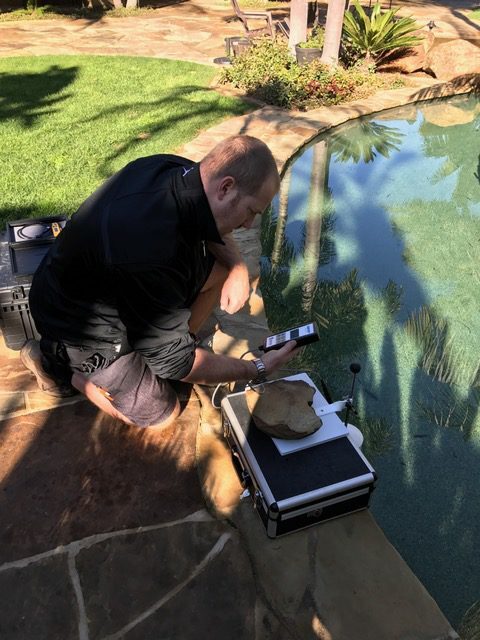
If your bucket test and visual inspection point to a leak, it is time to bring in someone who has the tools to pinpoint the exact location. A professional can use pressure testing, listening devices, and dye testing to find leaks that are invisible to the naked eye. They can also determine whether the leak is in the pool structure, the plumbing, or the equipment.
Do not attempt to dig up buried pipes or break into the pool shell yourself. That kind of work requires specialized equipment and knowledge. A qualified technician can also check for leaks in the spa or attached water features, which may have their own plumbing loops.
Keep in mind that some leaks are intermittent. They may only show up when the pump is on a specific speed or when the water temperature changes. A professional leak detection company can run tests over a longer period to catch these tricky losses. They will also check for underground leaks that could erode the soil beneath your pool deck, a problem that is hard to spot until serious damage has occurred.
Finally, if you have done the bucket test and still see a steady drop, do not wait too long. A small leak can become a big one, and water that escapes from the shell or plumbing can undermine the pool's structural support. Acting early keeps the repair simpler and less expensive.
By measuring unusual water loss yourself, you take control of the situation. You avoid unnecessary service calls, and you give the technician a clear picture of what is happening. That is good for your pool and for your peace of mind. And if you need professional help, a trusted directory like sandiegopoolservice.net can point you toward the right expertise.